
They all end up on the same beaches, but a sarong, a pareo, a kikoi and a kaftan aren’t quite the same thing. Here’s the difference, and when to reach for each.

The sarong
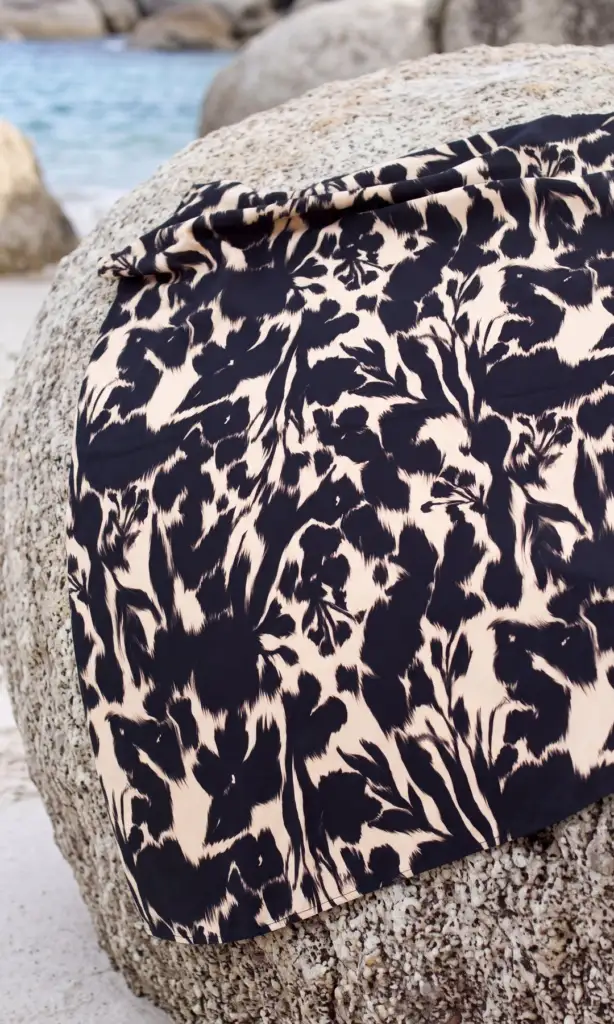
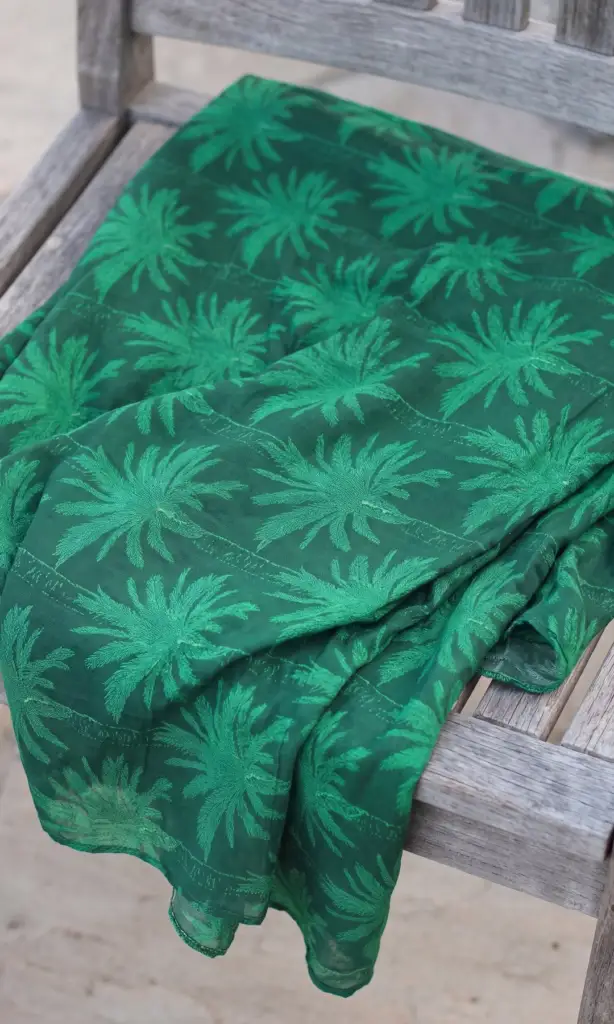
A sarong is a length of light fabric wrapped around the waist or the body. It’s everyday wear across South and Southeast Asia, and it became the classic beach cover-up the world over: a skirt over your swimsuit, a wrap when the wind comes up.
The pareo
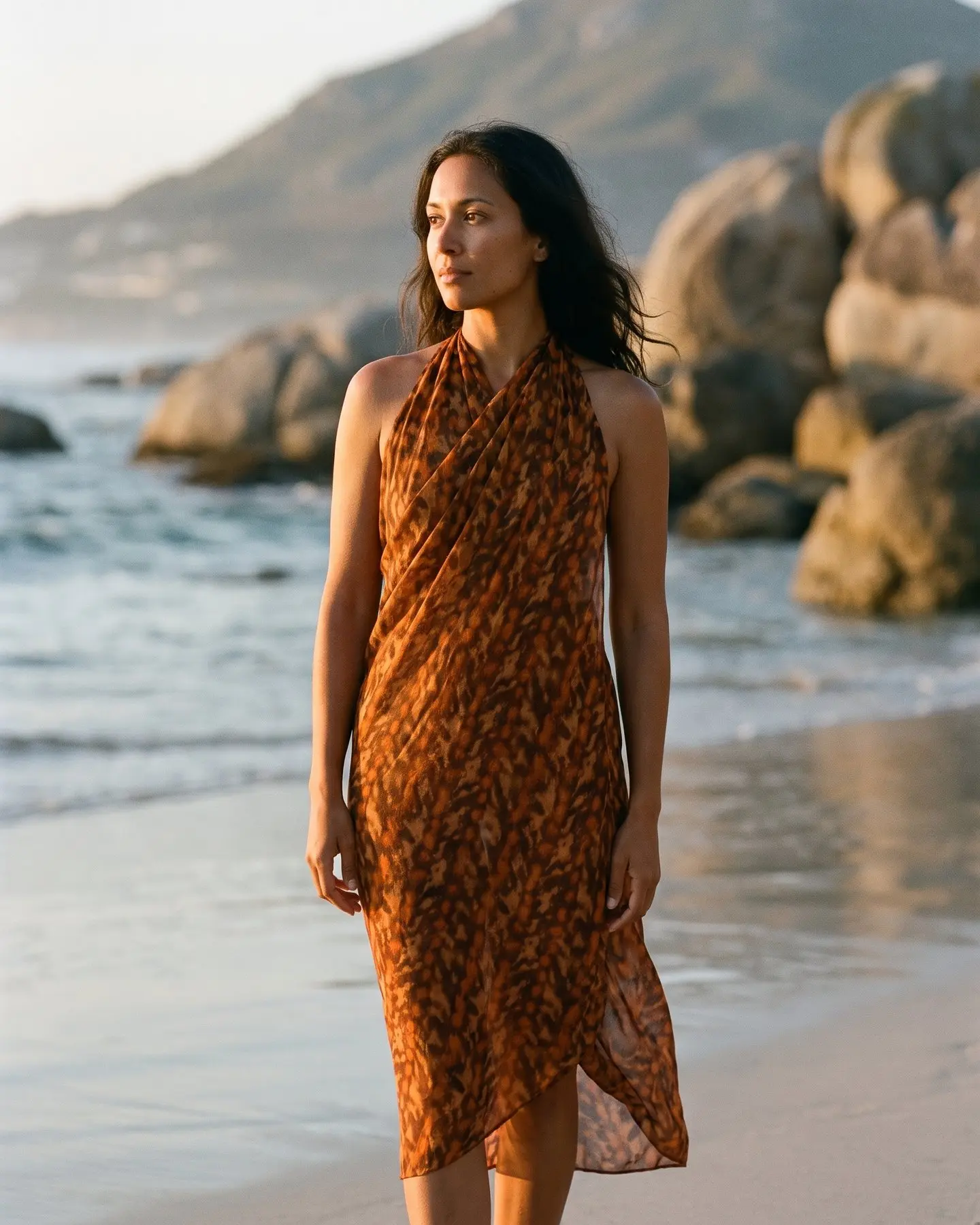
Pareo (from the Tahitian pāreu) is the Polynesian name for the same idea, and it’s usually worn as a dress: wrapped around you and knotted at the neck or above the bust. Our long sarongs work as a pareo too.
The kikoi
A kikoi is a woven cotton cloth from the coast of East Africa, usually striped and finished with fringed ends. It’s thicker than a sarong and traditionally wrapped at the waist, and many people use one as a beach towel or a throw.
The kaftan
A kaftan isn’t a wrap at all: it’s a loose robe or tunic, often with wide sleeves, that you pull on over your head. Easy to wear, but more to pack.
Where a Sarona fits
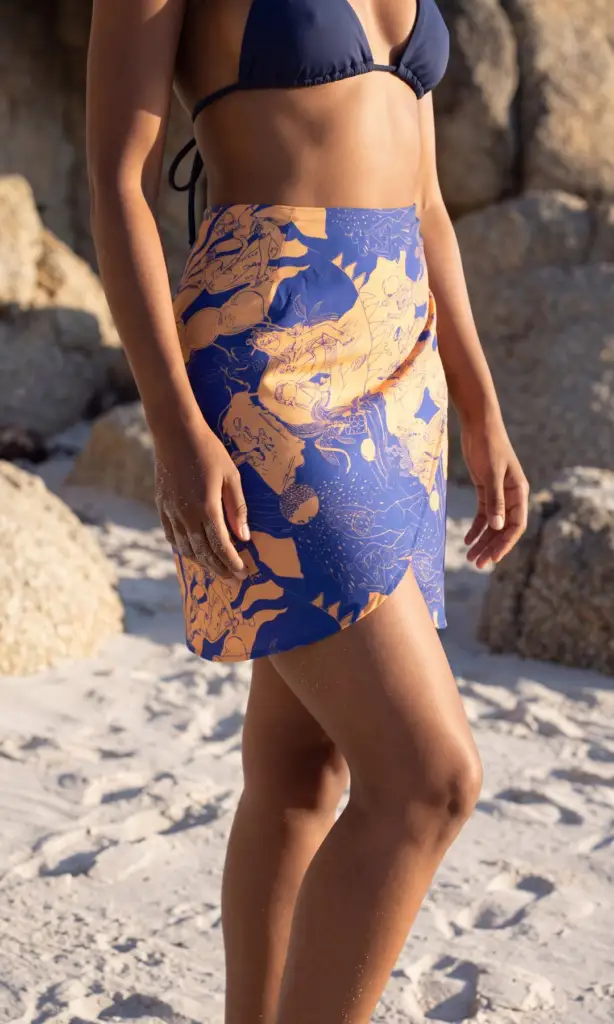
A classic sarong is a loose rectangle you knot yourself, and it can slip. A Sarona is fitted, with an adjustable tie at the back or the side, so it sits neatly with no bulky knot, and it folds small enough for a handbag. See our short sarongs and long sarongs, or learn how to tie a sarong.